The phone call that changes your week never gets to a hassle-free time. It comes when your calendar is full, your phone is buzzing, and someone nearby instantly collapses, chokes at a client lunch, or cuts themselves terribly on website. In those first minutes, nobody cares what your job title is. They care whether you can act.
That is where concentrated first aid and CPR training repays, specifically when it respects exactly how little spare time you have.
I have spent years educating first aid and CPR courses to experts who appear in suits, scrubs, attires, or hi‑vis vests. Most of them show up worried regarding the moment dedication. A lot of them leave claiming the exact same thing: "I wish I had done this earlier."
This post pulls together what actually matters for a hectic professional choosing a first aid and CPR course, exactly how fast or express formats operate in practice, and what you should insist on from any first aid training provider.
Why first aid abilities matter more than your schedule
In an emergency, mins matter more than levels, standing, or salary.
Cardiac apprehension offers the clearest example. Without CPR, survival drops by an approximated 7 to 10 percent for each min that passes without efficient upper body compressions and defibrillation. By the time emergency solutions fight through web traffic and building safety and security, those mins are gone.
When I instruct fast CPR courses in city workplaces, I usually ask who has seen a genuine emergency situation. Hands go up: a colleague that fainted in a conference, a parent who choked at a dining establishment, a construction employee that fell from a ladder. Most of those scenarios unravelled far from a health center yet very near somebody who might have aided, if they had actually been trained.
For hectic professionals, the obstacle is seldom motivation. It is time. That is why fast first aid training, express CPR courses, and mixed choices issue. The goal is not to transform you right into a paramedic. The objective is to give you a sharp, trusted skill set you can make use of between the case and the arrival of clinical help.

What busy specialists really require from a course
If you work long hours, traveling regularly, or manage meetings, you do not require an expansive, academic program. You require a fast first aid course that is:
Focused on the emergencies you are most likely to see. A lawyer in a city workplace, a childcare employee, and a warehouse manager deal with different dangers. Express childcare first aid courses, for example, stress choking, high temperature, allergies, drops, and play‑related injuries. A construction‑focused first aid course may lean harder on bleeding, cracks, crush injuries, and electrical shocks.
Built around method, not talks. Adults discover physical abilities through doing, not paying attention. Reliable first aid and CPR training classes keep theory short and make use of the majority of the time for hands‑on job: compressions on CPR manikins, first aid course hltaid011 exercise with training AEDs, rehearsing how to roll someone into the recovery placement, applying wound dressings and slings.
Designed to fit limited routines. Fast first aid courses, express first aid classes, and blended styles (online plus short in‑person sessions) recognise that you can not disappear from the office for multiple days. I have shown extremely effective programs in 3 to 5 hours, given pre‑course online modules cover the basics.
Clear concerning certification. Numerous specialists need a first aid certificate to satisfy workplace, sector, or regulatory criteria. A fast certification is fine, as long as it is identified and compliant. That may be a typical job-related first aid and CPR course, a FAP first aid type program in some areas, or a childcare‑specific credential.
For elderly team, there is a 5th requirement: trustworthiness. If you take care of individuals, lead teams, or host clients, having the ability to take charge of an emergency situation without panic brings weight. People remember who moved on to help.
Core skills you should walk away with
Different companies brand name their courses in various methods: first aid and CPR course, fundamental life support, express first aid and CPR, fast CPR refresher course, and so forth. Names vary, however the essential skill set need to be remarkably consistent.
Recognising a medical emergency
Good first aid begins before you touch the casualty. You ought to learn to check rapidly and choose whether you are dealing with a small injury, a time‑critical emergency situation, or a situation where your own safety and security is at risk.
This consists of finding cardiovascular disease indication, possible stroke, serious trouble breathing, indicators of shock, and when hemorrhaging or burns are extreme adequate to be life‑threatening.
CPR and AED use
Every specialist first aid and CPR training program need to give you confident, repeatable CPR skills:
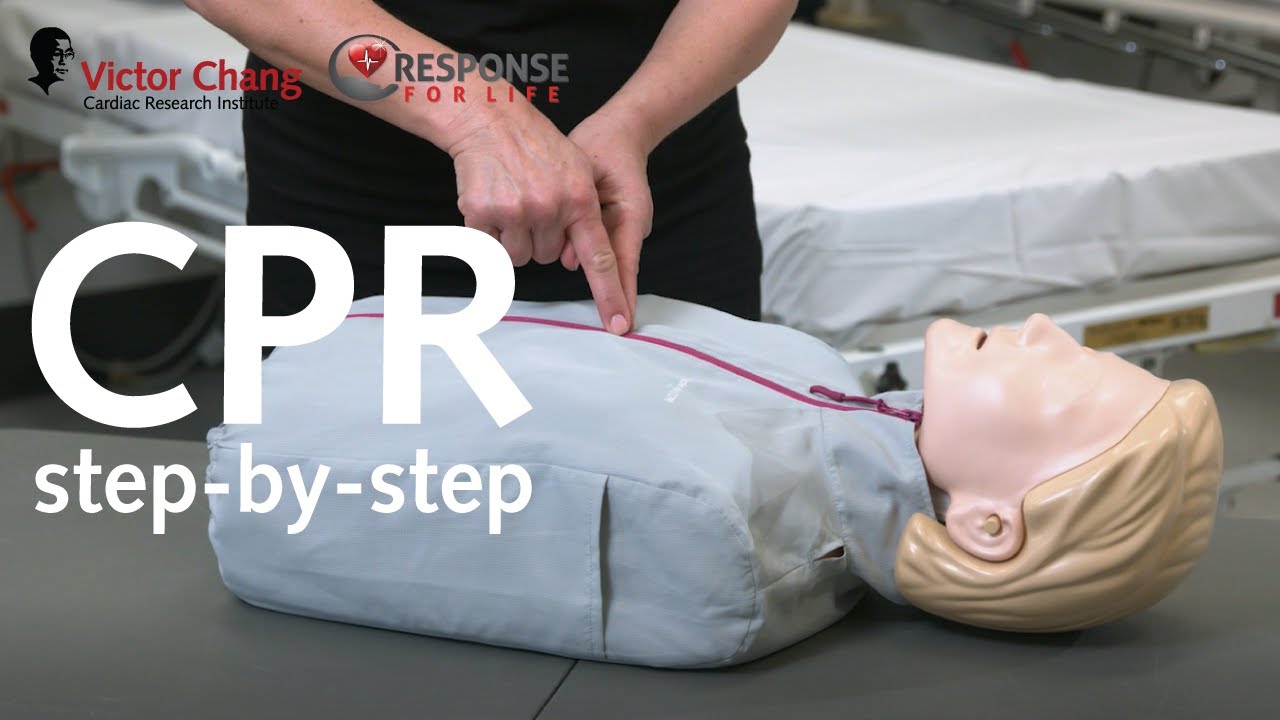
You discover exactly how to inspect responsiveness, open up the air passage, evaluate breathing, and start upper body compressions that are deep and fast enough to matter. You practice cycles of compressions and breaths, and you will certainly likely be stunned by exactly how physically requiring correct CPR is.
You additionally practice with a computerized external defibrillator, or AED. Modern AEDs are deliberately basic. Throughout cpr training, you will certainly see exactly how to affix pads, follow the prompts, clear others away throughout a shock, and return to compressions immediately. In numerous workplaces, malls, fitness centers, and airports, an AED is closer than people realise. Your job is to understand exactly how to use it.
Managing choking
Choking happens in conference rooms, personnel kitchen areas, and daycare centres more frequently than individuals confess. On a fast first aid course, you need to learn sensible methods for:
- Helping a receptive adult or youngster that is choking, consisting of back strikes and stomach thrusts Modifying methods for infants, especially in an express childcare first aid course Recognising when a person is coughing efficiently and when they are in real danger
This is among the situations where also a short, express first aid course can definitely alter an outcome. The techniques are uncomplicated, but they need to be exercised, not just described.
Bleeding, injuries, and shock
Modern first aid courses put restored focus on significant blood loss. You ought to learn just how to apply direct stress, use dressings and bandages, improvise when supplies are limited, and recognise inner blood loss and shock.
For active specialists in settings with tools, cars, or stockroom operations, this part of first aid training is not optional. An express first aid training service provider need to still designate sufficient time for hands‑on bandaging and practical scenarios.
Unresponsive but breathing: recuperation placement and monitoring
Not every collapse needs CPR. If a person is unresponsive yet still breathing, protecting their air passage becomes the top priority. A skilled first aid and CPR course reveals you exactly how to roll somebody into a steady side position and exactly how to check breathing until help arrives.
This is where several fast first aid courses cut edges, and it receives the field. Rolling an individual securely, particularly a larger grownup, is a functional skill. It needs a little technique online CPR first aid courses and practice, not merely seeing a video.
Are fast and express courses "adequate"?
Many experts approach a fast first aid course near me with uncertainty. "If it is that brief, is it thinned down?" The sincere response is: it depends that is running it, and just how they structure it.
Short courses can be exceptional when:
They usage pre‑course online discovering to cover theory. Participants full first aid fundamentals, CPR concepts, and legal considerations at their very own pace. The in‑person session after that focuses on application and practice.
Group sizes are controlled. You can not practice CPR effectively in a group of 30 individuals with 2 manikins, no matter just how experienced the trainer is. Excellent express cpr training limitations numbers or products adequate equipment.
Scenarios are practical and compressed. As opposed to long talks concerning every condition imaginable, a fast first aid course drops you into real‑world scenarios: a co‑worker with breast pain in a conference space, a kid with an allergic reaction on a play area, a staff member that slides, strikes their head, and ends up being confused.
Where fast CPR courses or express first aid courses fail is when they sacrifice method for rate or advertising. If individuals leave without aching arms from compressions, without ever making use of a training AED, or without taking care of a plaster, the course was too fast.
When you evaluate fast first aid training or express cpr courses, look less at the marketed duration and more at the equilibrium of hands‑on method to concept, and the competence of the trainer.
How to choose the right first aid and CPR training provider
Picking a service provider typically seems like comparing comparable sales brochures with different logo designs. It pays to look beyond the branding and ask concrete inquiries. The list below shows what I encourage corporate clients who desire reliable first aid and CPR courses for their staff.
Accreditation and recognition
Check that the first aid courses cause a first aid certificate recognised by your regional regulatory authority, market body, or insurance provider. Sector‑specific choices, such as express child care first aid courses, need to meet childcare guidelines, not just common standards.Content fit for your risks
An office‑based group might not need prolonged modules on exterior survival, but they do require strong CPR training, AED method, choking monitoring, and response to cardiac arrest and strokes. Childcare professionals require express child care first aid training that emphasises paediatric CPR, choking in babies, high temperature, seizures, and sensitive reactions.Format and timing
If your group is scattered across locations or works changes, combined knowing or numerous brief express first aid sessions might be extra reasonable than a single lengthy day. Ask especially whether they provide express first aid course or express cpr course choices that can run early, late, or throughout lunch windows.Instructor experience
There is a distinction in between somebody who can state the guidebook and someone that has functioned real emergencies. Ask who will really educate your fast first aid course. A number of the best teachers have backgrounds in paramedicine, nursing, firefighting, or safety monitoring, incorporated with solid teaching skills.Practice ratio
Look for suppliers that commit to meaningful method time. For an integrated first aid and cpr course, you need to anticipate significant hands‑on work, not just presentations. If you listen to that a lot of the time is invested in slides, maintain looking.If a company bristles when you ask detailed inquiries, that itself is an answer.
What a focused session actually really feels like
People usually ask what a half‑day fast first aid course with CPR training looks like in real life. A regular layout I educate for office‑based experts runs for concerning four hours of get in touch with time, plus pre‑course online modules.
Before arrival, individuals finish a brief online structure covering standard first aid principles, lawful and workplace duties, infection control, and an introduction of CPR and AED use. It generally takes under an hour.
The in‑person session starts with a quick evaluation of that on-line material, after that leaps directly right into sensible evaluation of an unresponsive casualty, airway management, and recognition of cardiac arrest. I put manikins on the flooring early. Participants practice compressions, rescue breaths if required by the curriculum, and work in sets to utilize a training AED.
After a time-out, we relocate into choking, extreme blood loss, and medical emergency situations like cardiac arrest and stroke. Rather than lengthy talks, I run short situations: "You are in a conference, and your customer clutches their upper body and looks pale. Talk me via what you see, think, and do." Every scenario ends with a debrief tying the experience back to clear, memorable steps.
By the end, individuals have actually executed dozens of collections of compressions, utilized AEDs several times, rolled each various other right into the recuperation setting, and managed bandages and slings. They leave with a first aid certificate, but extra importantly, with the muscular tissue memory and decision‑making self-confidence they did not contend 9am.
That is the basic you must expect, even from fast first aid courses or express cpr courses.
Online, blended, or classroom: which layout functions best?
Technology has actually altered how first aid and CPR courses are supplied. For active specialists, this can be a blessing if utilized wisely.
Purely on the internet first aid courses work for awareness training but have clear limits. You can not learn the feel of breast compressions, the force called for to remove an airway, or the skill of rolling somebody securely by viewing a display. For any course that assures a thorough first aid and CPR certificate, there should be a hands‑on component.
Blended understanding integrates on the internet components with shorter in‑person practice. This is where fast first aid training radiates. You take care of expertise and concept at your very own rate, after that make use of priceless face‑to‑face time for useful job, concerns, and scenarios. Lots of fast cpr correspondence course programs currently follow this model, which is excellent for recertification when your basics are already strong.
Traditional classroom courses still have a place, particularly for high‑risk sectors or sophisticated levels like occupational or office first aid where extended circumstances and more complex abilities are needed. For little groups or limited routines, though, a half‑day express first aid training block plus an evening of on the internet modules is often less complicated to organise than a complete time off the floor.
One practical tip: whatever layout you pick, safeguard the moment. If your phone is on the table and your inbox is open, your brain will not inscribe the skills too. Real emergencies demand your complete attention. Training should too.
A basic mental checklist genuine emergencies
In class, individuals stress over remembering lengthy protocols. In truth, what you require is an easy, trustworthy psychological checklist that you can remember under pressure. Different organisations make use of various phrases, yet the spirit is comparable. Here is an uncomplicated variation I show that fits well with fast first aid and cpr training classes:
Safety
Check your very own safety first. Search for traffic, electrical energy, sharp items, fire, or hostility. Do not end up being a 2nd casualty.Response
Talk to the individual, touch their shoulder, and see if they react. If there is no reaction, require help.Airway and breathing
Carefully open the respiratory tract, appearance and listen for regular breathing, and enjoy the upper body. Decide: breathing typically, or not?Call and send

Act
Begin CPR if suggested, treat life‑threatening bleeding, or place the individual in the recovery setting if they are breathing but less competent. Continue till assistance gets here or the individual recovers.Practicing this sequence during express cpr courses or a full first aid and CPR course makes it acquired behavior. When thirty individuals are shouting, alarms are appearing, and your heart rate climbs, you draw on what you have rehearsed.
Keeping abilities sharp when you are busy
Skills discolor. That is not an objection, it is easy neuroscience. If you attend a fast first aid course today and never think about CPR once more, you will certainly really feel corroded in a year.
Most first aid certifications remain legitimate for 2 to 3 years, however several organisations strongly recommend more constant CPR refreshers. That is where fast cpr and express cpr training options issue. A focused, 1 to 2 hour fast cpr refresher course every one year can keep your capability high without damaging your schedule.
Between formal first aid and cpr courses, you can keep skills alive with brief, low‑effort routines:
Visualise. From time to time, when you pass the workplace kitchen area, ask yourself silently, "If somebody choked below, what would I do first?" That psychological practice session reinforces recall.
Check AED places. During a fire drill, team rundown, or even a peaceful moment, take note of where the local AED is, exactly how to access it, and whether it shows up maintained. If you can not discover one, raise the issue.
Review a quick card. Some offices problem pocket cards or lanyard guides summing up CPR steps and emergency situation numbers. Keep one on your ID badge and scan it occasionally.
Volunteer as a marked first aider. Many organisations officially appoint very first aiders to floors or teams. It generally comes with targeted first aid training and ensures somebody in accessible first aid courses near me each location takes ownership of readiness.
These small actions cost minutes monthly but suggest that when your following express first aid course or fast cpr refresher rolls around, you are including layers of self-confidence as opposed to beginning with zero.
Tailoring courses to certain roles
Not every hectic specialist demands the same first aid tool set. Choosing the right first aid training implies looking truthfully at your environment.
Childcare specialists and instructors gain from express child care first aid courses that emphasise paediatric conditions. They must practice infant CPR, management of febrile seizures, play area injuries, and acknowledgment of severe youth ailments. Express childcare first aid training can usually be structured around centre hours, with evening or weekend options.
Managers, human resources experts, and team leaders are usually the ones individuals look to when something fails. For them, a solid first aid and CPR course issues, yet so does training on control: passing on jobs, taking care of crowds, communicating with emergency situation services, and sustaining associates after a terrible incident.
Remote workers and constant tourists have unique needs too. A salesperson when driving may require a portable first aid set in their cars and truck and a solid grounding in what to do when professional assistance is more than a couple of mins away. Some carriers use express first aid courses tailored to travel risks, including what info to offer emergency responders when you are alone.
For high‑risk industries such as production, logistics, or area solution, basic fast first aid courses might not suffice. Prolonged work first aid and cpr training classes that cover crush injuries, chemical direct exposure, restricted spaces, and multi‑casualty scenarios might deserve the bigger time investment.
The point is not to chase every certification under the sun. It is to match the level and focus of your first aid courses to the way you in fact live and work.
Taking the next step without overthinking it
Many experts postpone first aid training since they are waiting on a quieter week. Those weeks rarely show up. The reality is that a well‑run express first aid course or fast first aid course requires less time than most people believe, particularly with mixed formats and on‑site sessions.
When you try to find a fast first aid course near me or compare express cpr courses, use clear requirements: real certification, solid useful focus, trainers with area experience, and a format that appreciates your time while still giving enough practice to build muscle memory.
The payoff is not simply a first aid certificate hanging on a wall surface. It is the capability to remain tranquil when something frightening occurs before you, to take helpful action before specialists get here, and to understand that when a person required help, you did not base on the sidelines.
Busy routines are real. So are emergencies. A thoroughly selected first aid and CPR course is exactly how you bridge the space between them.